 Maroc Générations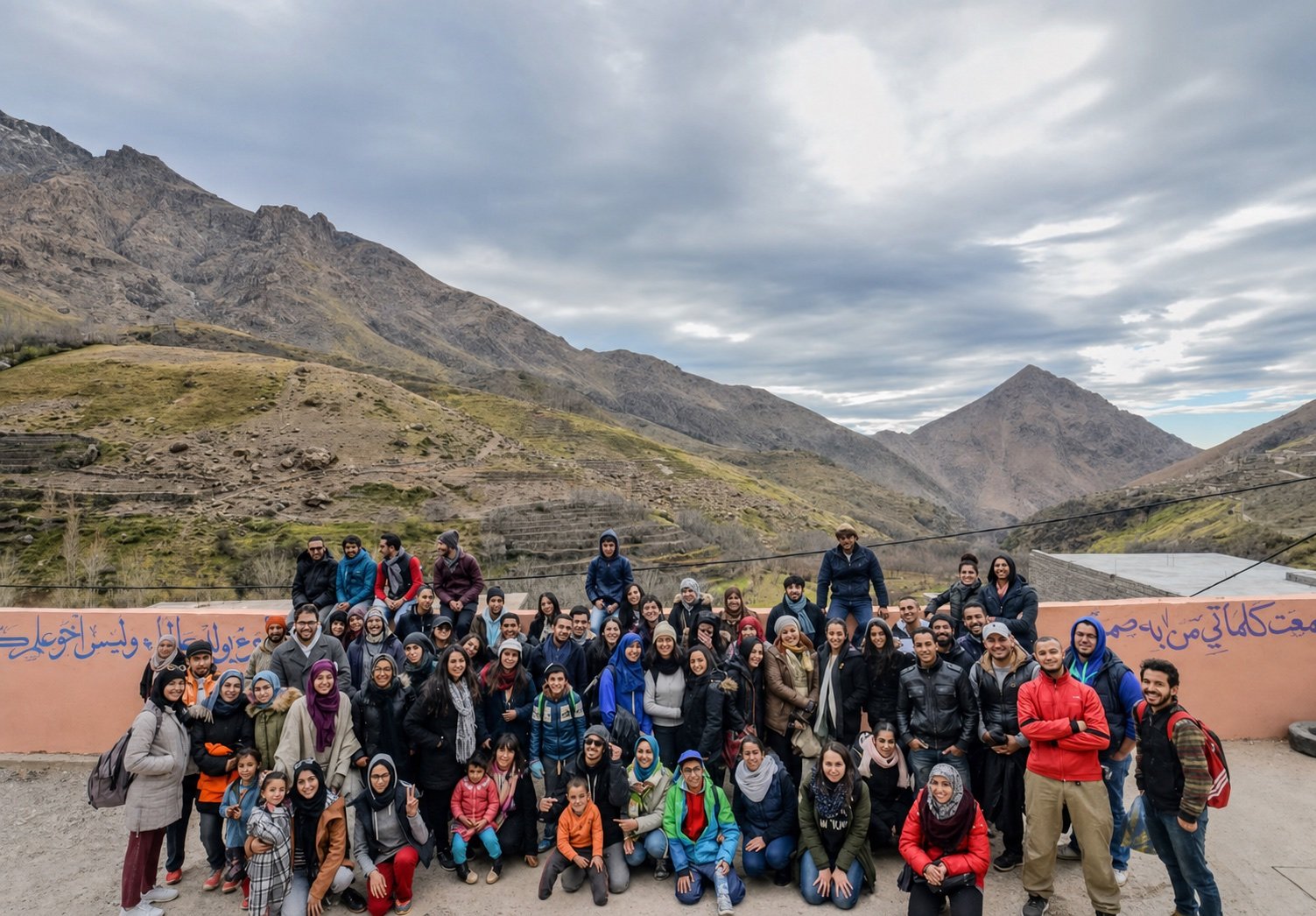
Want to give humanitarian aid in Morocco but unsure where your donation will actually make a difference? It's a fair question: between large platforms, social-media fundraisers and local associations, it isn't always clear what happens to the money. This guide covers the real needs on the ground and a few simple rules for giving in a way that genuinely helps.
Where is help needed in Morocco?
Humanitarian aid in Morocco isn't only about emergencies. Several groups remain vulnerable every day:
- Isolated elderly people in cities. In old medinas such as Marrakech's, elderly people live alone with no regular income and no family nearby. A hot meal and a visit mean a great deal.
- Mountain villages. In the High Atlas, winters are harsh, roads are difficult and access to healthcare is limited. Warm clothes, blankets and medical consultations make a real difference.
- Families struggling during Ramadan. For many households, putting an evening meal on the table to break the fast every night is a challenge.
- Rural schools. Village schools often lack books and supplies.
4 principles of a donation that really helps
1. Give to an association that works on the ground
A local association knows the families, neighbourhoods and villages. Your donation passes through fewer hands and arrives faster.
2. Choose a specific cause
A gift allocated to a clear programme (meals, winter, healthcare, education) is easier to follow than a "general" donation.
3. Give regularly
A small monthly gift keeps a kitchen or programme running all year, not just during campaigns.
4. Ask for transparency
A serious association explains what your gift pays for and can give you a receipt.
How Maroc Générations uses the aid it receives
Maroc Générations is a volunteer-run charitable association, active in Marrakech since 2009. Donations go to the programme you choose:
| Fund | What it pays for |
|---|---|
| Daily meals | Morning soup and the Friday dish at Dar Sadaqa |
| Ramadan | The Iftar Saim operation, about 2,000 meals a night |
| Orphans and widows | Food baskets and Eid sheep |
| Medical caravan | Free consultations and medicines |
| Winter | Clothes and blankets for Atlas villages |
| Education | Books and toys for rural schools |
As a guide, a meal served at Dar Sadaqa costs on average 5.40 MAD: a 100 MAD monthly gift covers about 18 meals.
How to make your donation
- Choose a fund or an amount on our Donate page (one-time or monthly).
- Confirm through the contact form: our team will get back to you with the details.
- You can also make a bank transfer (bank details on the Donate page) and request a receipt.
- In-kind donations (clothes, food, medicines, books) are welcome too.
Frequently Asked Questions
How can I be sure my humanitarian aid reaches Morocco?
Give to a registered association that works on the ground, choose a specific cause and ask for a receipt. A serious association should be able to explain what your gift pays for.
Can I donate from abroad?
Yes. A bank transfer to the association's account is the simplest option; contact us with any questions about the details.
Is it better to give money or goods?
Both help. Money buys exactly what is missing; in-kind gifts are valuable when they match announced needs (warm clothes in winter, food, books).
Is there a minimum amount?
No. Even a small regular gift pays for meals every month.