 Maroc Générations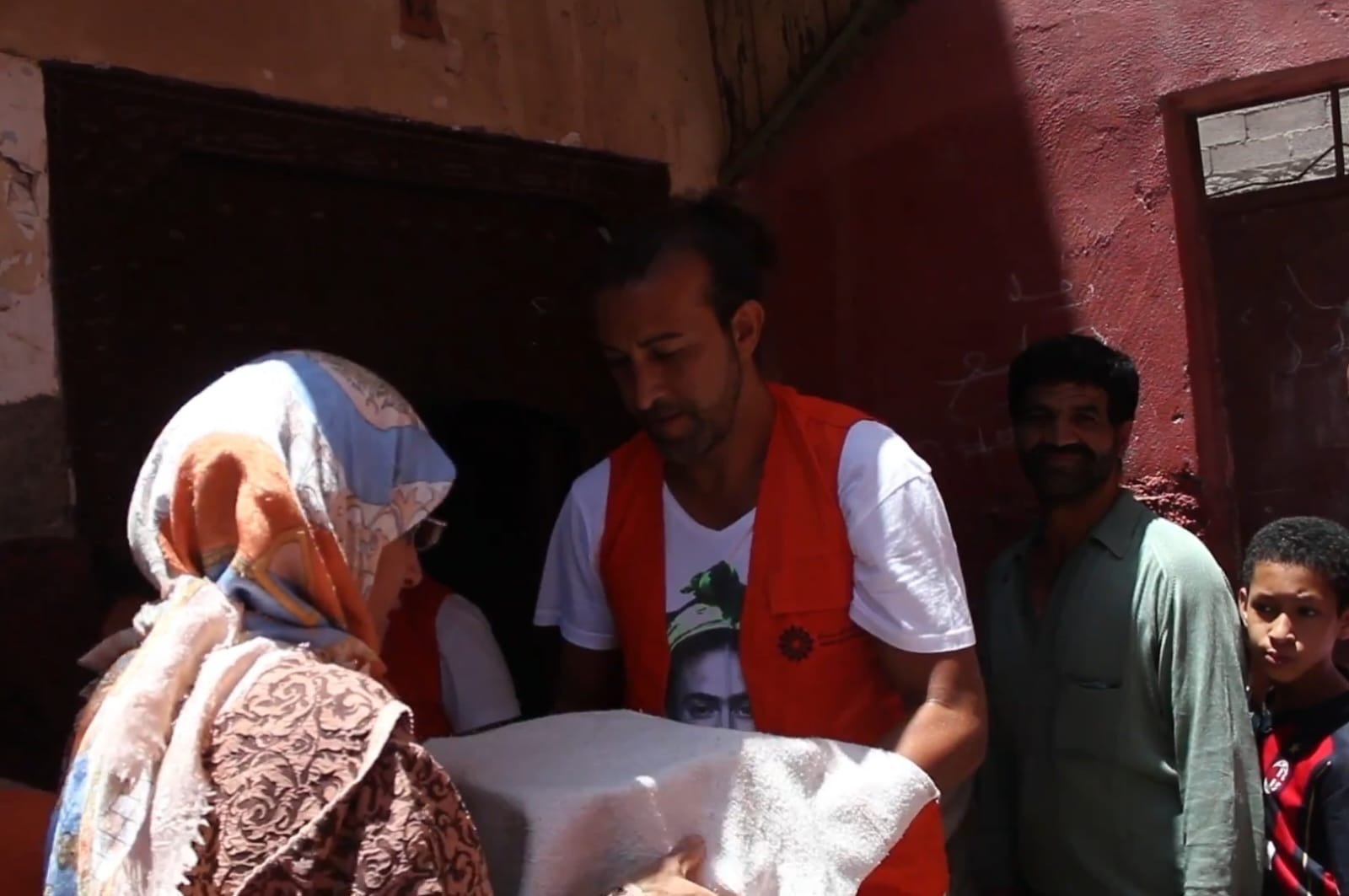
Giving is a pillar of Muslim life, but the practical questions are real: What is the difference between Zakat and Sadaqa? Who is eligible to receive it? And how do you make sure your gift actually reaches families in need? This guide explains Zakat and Sadaqa in Morocco in plain terms, and shows how giving through a Marrakech-based charity works in practice.
Maroc Générations has operated in Marrakech since 2009, serving more than 2,000,000 meals through its Dar Sadaqa programme. It accepts both Zakat and Sadaqa and directs them to the programme you choose.
Zakat vs. Sadaqa: The Core Difference
Both are forms of Islamic charity, but they are not the same thing.
- Zakat is obligatory. It is one of the five pillars of Islam, calculated as a fixed portion (traditionally 2.5%) of qualifying wealth held for a full lunar year, and it may only be given to specific categories of recipients.
- Sadaqa is voluntary. It can be any amount, given at any time, to anyone in need — a spontaneous act of generosity beyond the obligation of Zakat.
In short: Zakat is a duty with rules; Sadaqa is a gift from the heart.
Who Can Receive Zakat?
Islamic tradition defines eight categories of eligible recipients, including the poor and the needy. The families served at Dar Sadaqa — the poor and needy of Marrakech's old medina, widows, orphans, and travellers — fall squarely within these categories.
Important: Maroc Générations does not issue religious rulings. For calculating your Zakat and confirming eligibility, consult a trusted religious scholar. The association's role is to deliver your gift to the programme you select.
How Zakat and Sadaqa Are Used in Marrakech
When you give through Maroc Générations, your contribution funds concrete, documented programmes:
| Programme | What it does |
|---|---|
| Daily meals at Dar Sadaqa | Feeds the poor, needy, and travellers year-round |
| Iftar Saim | ~2,000 fast-breaking meals each evening in Ramadan |
| Friday couscous | 100 kg of couscous and 50 chickens for 2,000+ families monthly |
| Orphans & widows | Food parcels and Aïd meat for the most vulnerable |
| Medical caravans | Free consultations and medicine in remote areas |
How to Give Zakat or Sadaqa in Morocco
- Decide your amount. For Zakat, calculate 2.5% of your qualifying wealth (consult a scholar if unsure). For Sadaqa, give whatever you wish.
- Choose a fund or programme. Direct your gift to Ramadan, daily meals, orphans and widows, or leave it to be used where most needed.
- Make your gift. Give a one-time amount tied to a specific operation, or set up a recurring monthly gift.
- Request a receipt if you need one, through the contact page.
Frequently Asked Questions
What is the difference between Zakat and Sadaqa?
Zakat is an obligatory annual charity — traditionally 2.5% of qualifying wealth — payable only to specific categories of recipients. Sadaqa is voluntary charity of any amount, given any time to anyone in need.
Can I give my Zakat to Maroc Générations in Marrakech?
Yes. The association accepts Zakat and directs it to the programme you choose. Its beneficiaries — the poor, needy, widows, and orphans of Marrakech — fall within the recognised categories of Zakat recipients.
Does Maroc Générations decide if my Zakat is valid?
No. The association does not issue religious rulings. It delivers your gift to the chosen programme; for religious questions about your Zakat, consult a scholar.
Can I give Sadaqa monthly?
Yes. A recurring monthly gift is an ideal form of ongoing Sadaqa and helps sustain the Dar Sadaqa kitchens throughout the year.